

Technical Evaluation and Product Optimization: The Evolution of High-Capacity Disposable Vapes
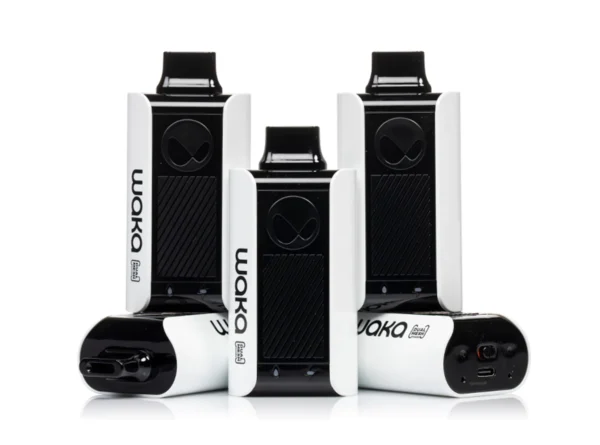
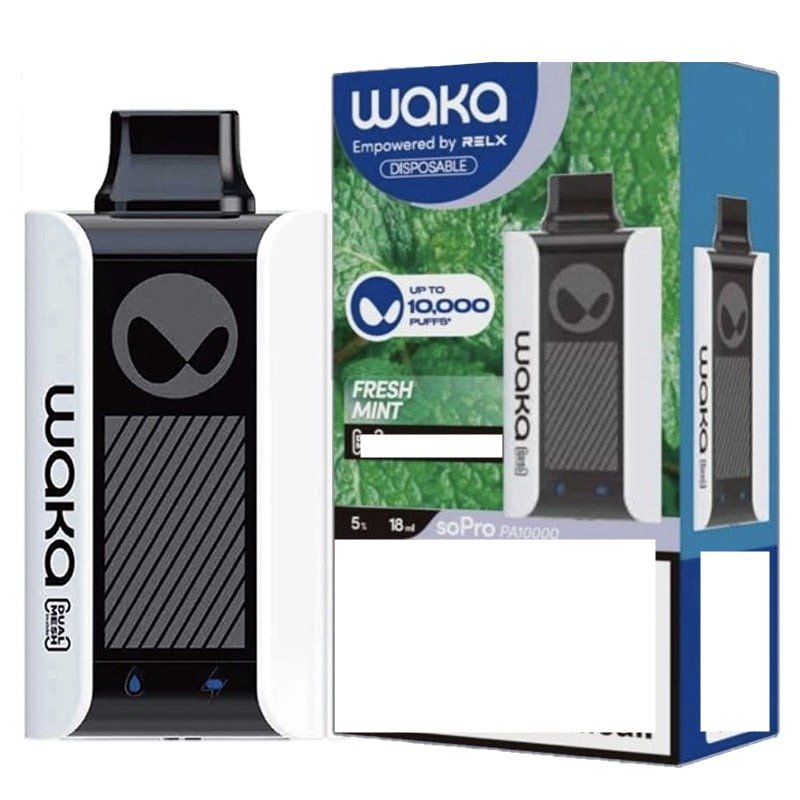
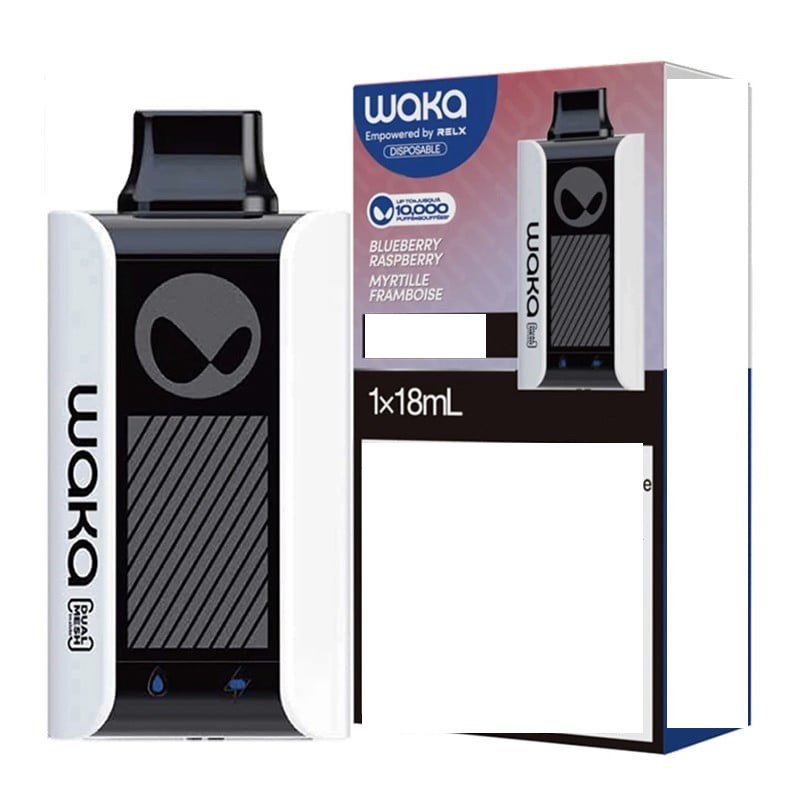
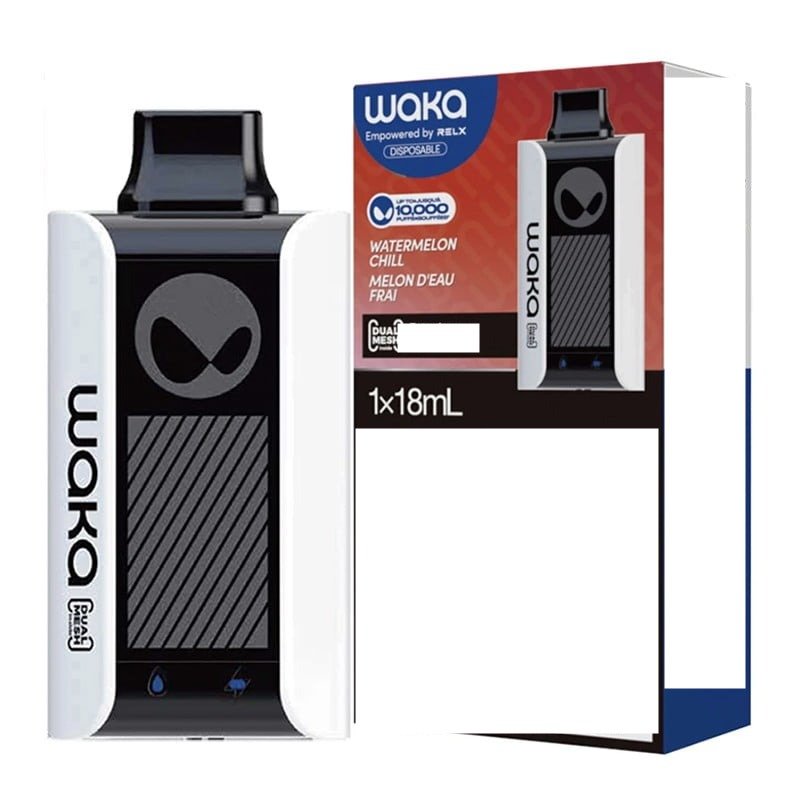
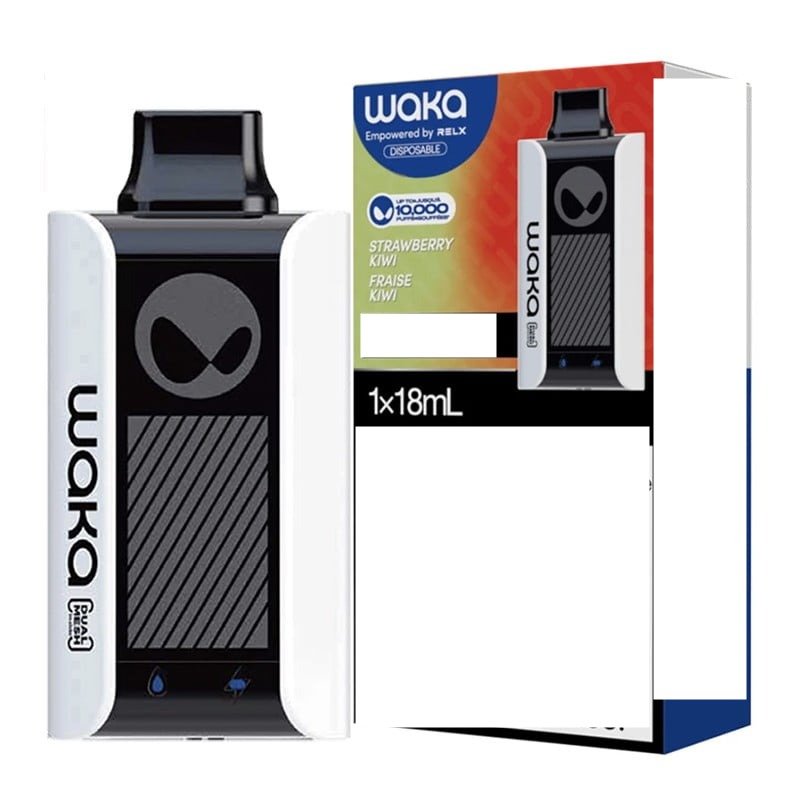
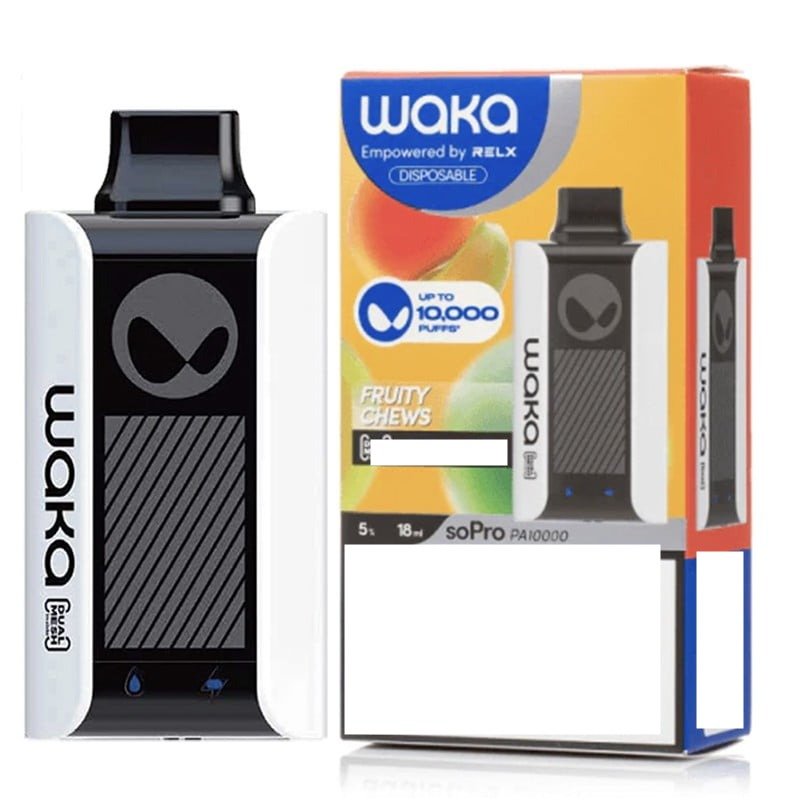
In the rapidly advancing landscape of personal inhalation devices, consumer expectations continuously drive technological innovation. This comprehensive technical document outlines the generational shift from the legacy WAKA SOPRO PA10000 hardware to the highly engineered BANG 25000 Puffs system. As a leading distributor of premium disposable vapes, VapeNex leverages extensive industry expertise, rigorous empirical testing, and strict adherence to global compliance standards to provide hardware that meets the highest benchmarks of quality and performance. This analysis details the structural, electrical, and thermodynamic enhancements that define this new iteration of disposable vape technology.
System Overview: BANG 25000 Puffs Architecture
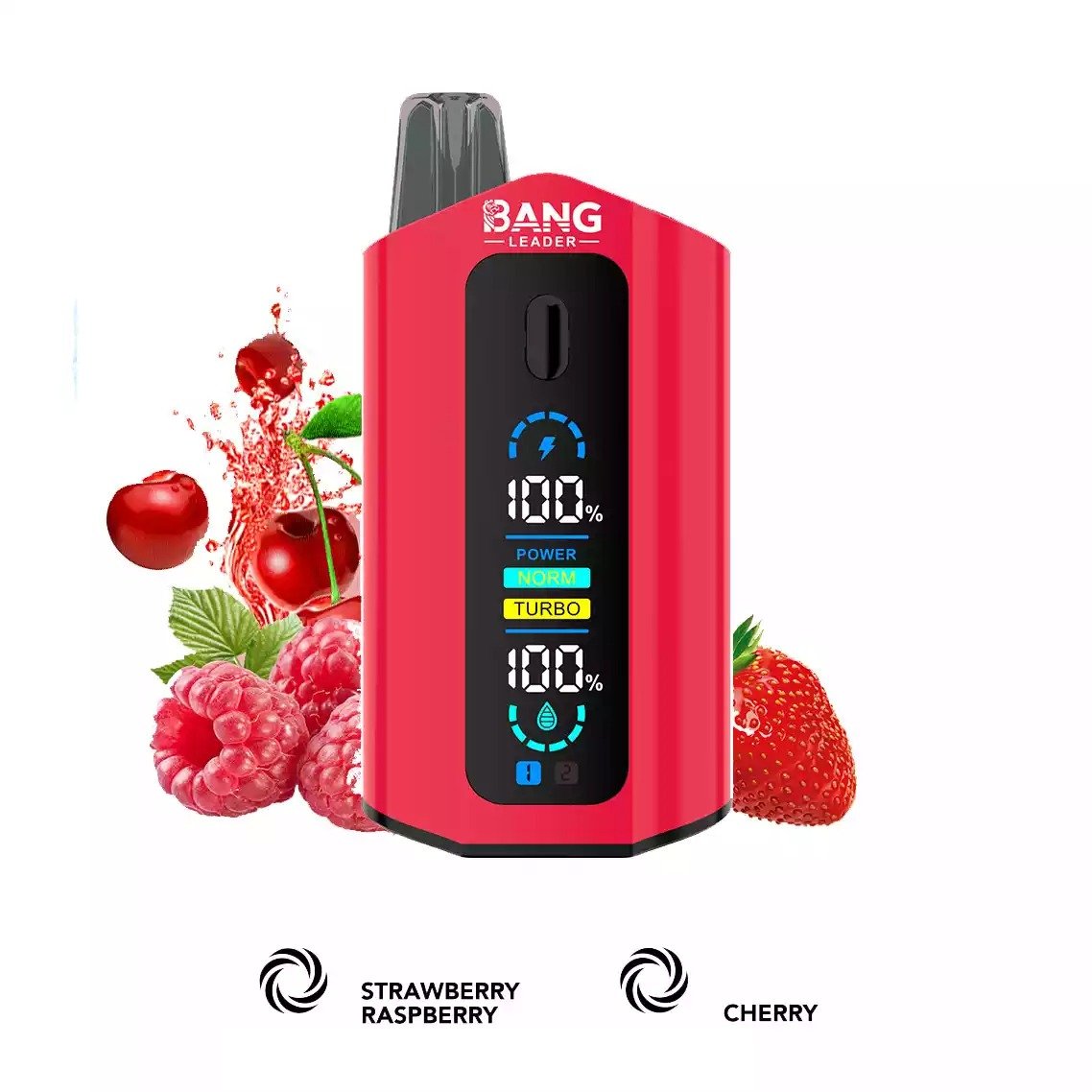
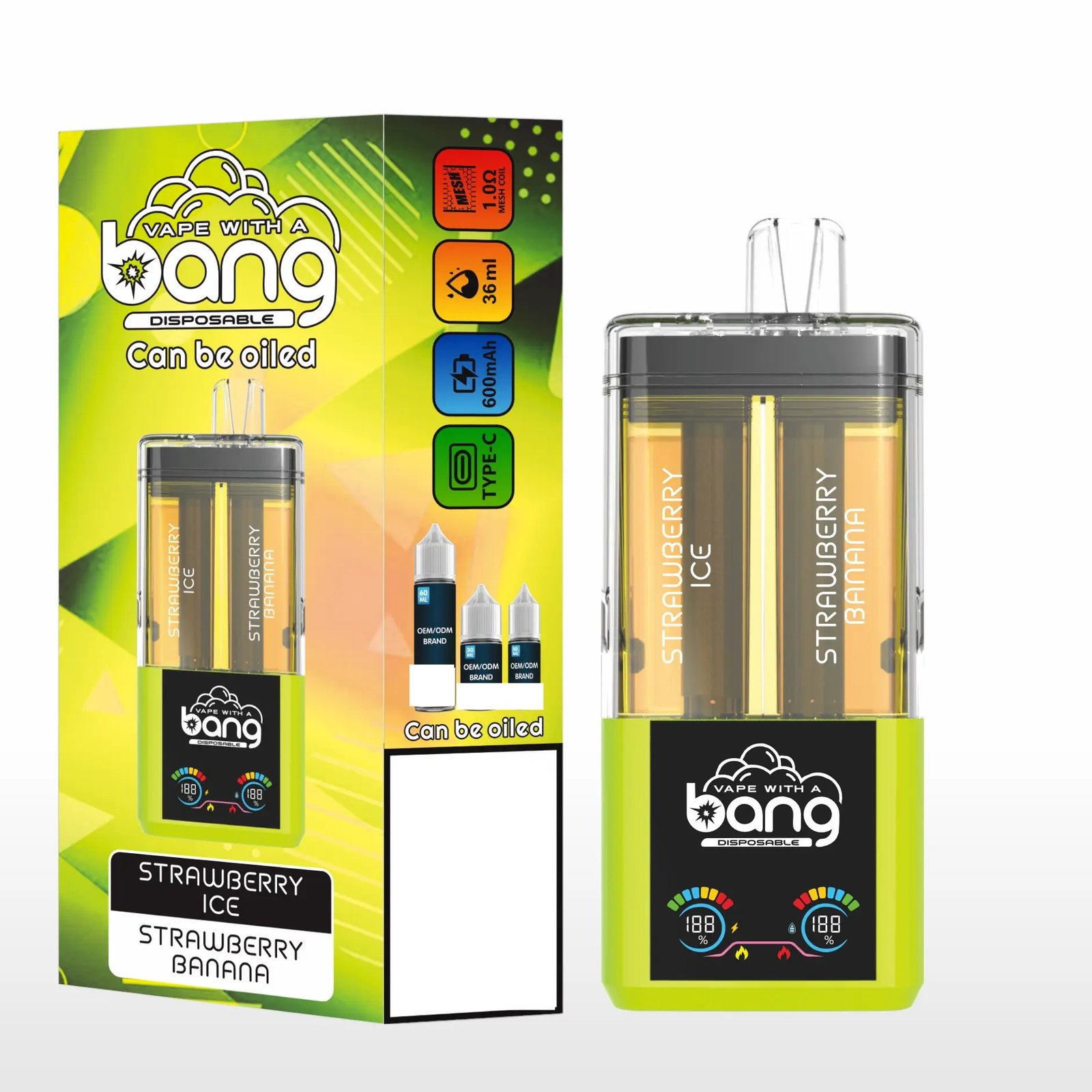
The BANG 25000 represents a paradigm shift in the engineering of disposable vapes. By optimizing internal space utilization and integrating an advanced power management matrix, this device delivers an unprecedented 25,000 actuation cycles. This represents a 150% increase in operational lifespan compared to its predecessor, establishing a new empirical standard for endurance in the high-capacity vape sector.
Expertise: Engineering Mechanics and Thermodynamic Design
The core of any high-performance vape lies in its thermodynamic efficiency and electrical architecture. The BANG 25000 Puffs device utilizes a highly specialized dual-mesh heating element. Unlike traditional wound-wire coils that can suffer from uneven thermal distribution, the meshed lattice provides a massively expanded surface area. This engineered geometry ensures that the aerosolizable fluid reaches its optimal vaporization point at a lower, more stable temperature. Consequently, this minimizes the risk of localized thermal degradation, preserving the molecular integrity of the solution and delivering a highly consistent aerosol output from the first actuation to the last.
Furthermore, the structural integrity of the device is secured using food-grade PCTG (Polycyclohexylenedimethylene Terephthalate Glycol) polymers for the fluid reservoir, paired with a lightweight, corrosion-resistant aluminum alloy chassis. This combination not only provides exceptional durability against mechanical shock but also ensures absolute chemical inertness, preventing any leaching of material into the internal fluid base. The airflow dynamics have been recalibrated using computational fluid dynamics (CFD) modeling to provide a precise draw resistance that mimics optimal inhalation parameters, reducing turbulence and acoustic output during operation.
Empirical Data: Comparative Performance Metrics
*Data derived from standardized laboratory puff topography testing (e.g., 3-second draw duration, 30-second resting interval, measured at 25°C ambient temperature).*
| Technische Parameter | Legacy Device (WAKA SOPRO 10000) | Next-Gen Device (BANG 25000) |
|---|---|---|
| Total Actuation Yield (Puffs) | 10,000 Cycles | 25,000 Cycles (Verified) |
| Fluid Reservoir Volume | 18.0 ml | 25.0 ml (High-Capacity) |
| Power Cell Specifications | 850mAh (Static Output) | 650mAh (Type-C Rechargeable + BMS) |
| Active Compound Concentrations | Single Profile (18mg equivalent) | Variable Matrix: 0%, 2%, 3%, 5% |
Authority and Trust: Regulatory Compliance and Safety Standards
In the contemporary market for disposable vapes, authority is established through transparent manufacturing practices and rigorous adherence to international safety directives. The production facilities responsible for the BANG 25000 operate under strict ISO 9001 Quality Management System certifications. This guarantees that every stage of the manufacturing process, from raw material sourcing to final assembly, is meticulously monitored and documented.
Furthermore, the integrated 650mAh lithium-ion power cell is compliant with the UN38.3 standard for the safe transport of batteries and features a sophisticated Battery Management System (BMS). This microchip provides critical safeguards against overcharging, deep depletion, short-circuiting, and thermal runaway. The entire electronic assembly complies with the RoHS (Restriction of Hazardous Substances) directive, ensuring that no heavy metals, such as lead or cadmium, are present in the circuitry. By verifying these compliance benchmarks, we ensure that the vapes distributed through our network maintain the highest echelon of consumer safety and environmental responsibility.
Crucial Knowledge Points: Advanced Device Functionality
Volumetric Superiority
With an expanded 25ml internal reservoir, the fluid capacity vastly outpaces industry standards. This high-density storage utilizes an advanced synthetic polymer wicking system that prevents oversaturation and eliminates leakage, ensuring all 25 milliliters are efficiently converted into aerosol.
Cyclic Power Management
The integration of a Type-C fast-charging port addresses the primary limitation of high-capacity disposable vapes. By utilizing a 650mAh rechargeable cell rather than a massive single-use battery, the device minimizes ecological waste while providing consistent voltage output throughout the fluid’s entire lifecycle.
Formulation Flexibility
Unlike legacy systems locked into a single active strength profile, this hardware allows distributors to stock precise concentrations ranging from 0% up to 5%. This graduated tier system aligns with harm-reduction methodologies and precise consumer tailoring protocols.
Sensory Engineering and Aromatic Profiles
Beyond electrical and structural engineering, the user experience of disposable vapes is heavily dictated by the molecular formulation of the aerosol base. The fluid matrix is composed of high-purity propylene glycol (PG) and vegetable glycerin (VG), balanced to provide optimal vapor density and throat sensation. Infused within this matrix are carefully synthesized aromatic profiles designed to provide stable sensory outputs without the chemical degradation often seen in lower-tier devices.
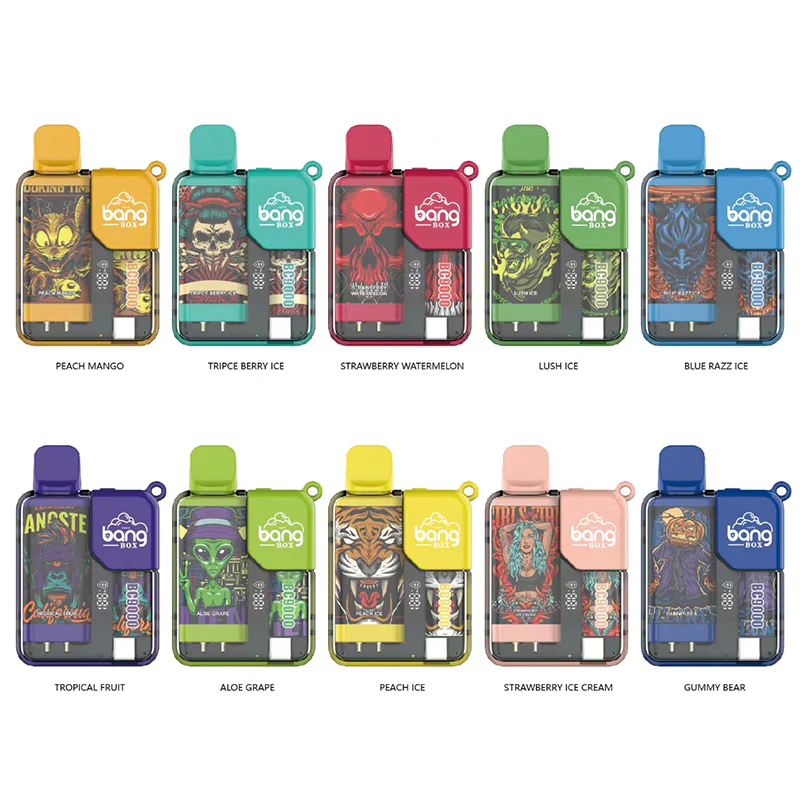
The olfactory and gustatory blends have been mapped using gas chromatography-mass spectrometry (GC-MS) to ensure consistency. The available spectrum includes complex botanical and synthetic notes such as the exotic blend known as Tiger Blood, the nostalgic profile of Watermelon Bubble Gum, and enduring classics meticulously calibrated for balance, including Strawberry Kiwi and the mentholated cooling variant, Grape Ice. Each profile is formulated to retain its integrity across the entire 25,000-actuation lifespan of the device.
Frequently Asked Questions (FAQs): Technical Operations
Q: How does the device maintain output consistency over 25,000 cycles?
A: The operational longevity is achieved through the synergy of the rechargeable 650mAh power unit and the 25ml high-retention fluid reservoir. The Battery Management System ensures that the mesh heating element receives a steady voltage (typically around 3.6V), which prevents variations in the aerosolization rate regardless of the battery’s current charge state.
Q: Is the inhalation mechanism dependent on manual actuation?
A: No. The device operates via an advanced pneumatic micro-switch. When a negative pressure differential is created through inhalation, the sensor instantaneously completes the circuit to the heating element. This draw-activated firing mechanism eliminates the need for physical buttons, reducing points of mechanical failure and improving overall reliability.
Q: Are the legacy sensory profiles from the WAKA SOPRO still accessible?
A: Yes. During the transition to the new hardware platform, the formulation laboratories successfully migrated the most popular sensory profiles, including Strawberry Kiwi and Grape Ice, ensuring that end-users experience continuity in their preferred aromatic selections while benefiting from the upgraded hardware longevity.
Upgrade to Advanced Vaping Technology Today
The empirical data is conclusive: the shift to high-capacity, rechargeable disposable vapes represents the most efficient and satisfying methodology for modern consumers. By transitioning from the 10,000-cycle standard to an independently verified 25,000-cycle system, users drastically reduce hardware turnover while experiencing superior thermodynamics and unparalleled consistency.
Maximize efficiency, extend your operational lifecycle, and experience engineering excellence.




 Dutch
Dutch  English
  Swedish
  Danish
  German
  Norwegian
  French
  Spanish
  Portuguese