


The Evolution of High-Capacity Disposable Vapes: An Empirical Analysis
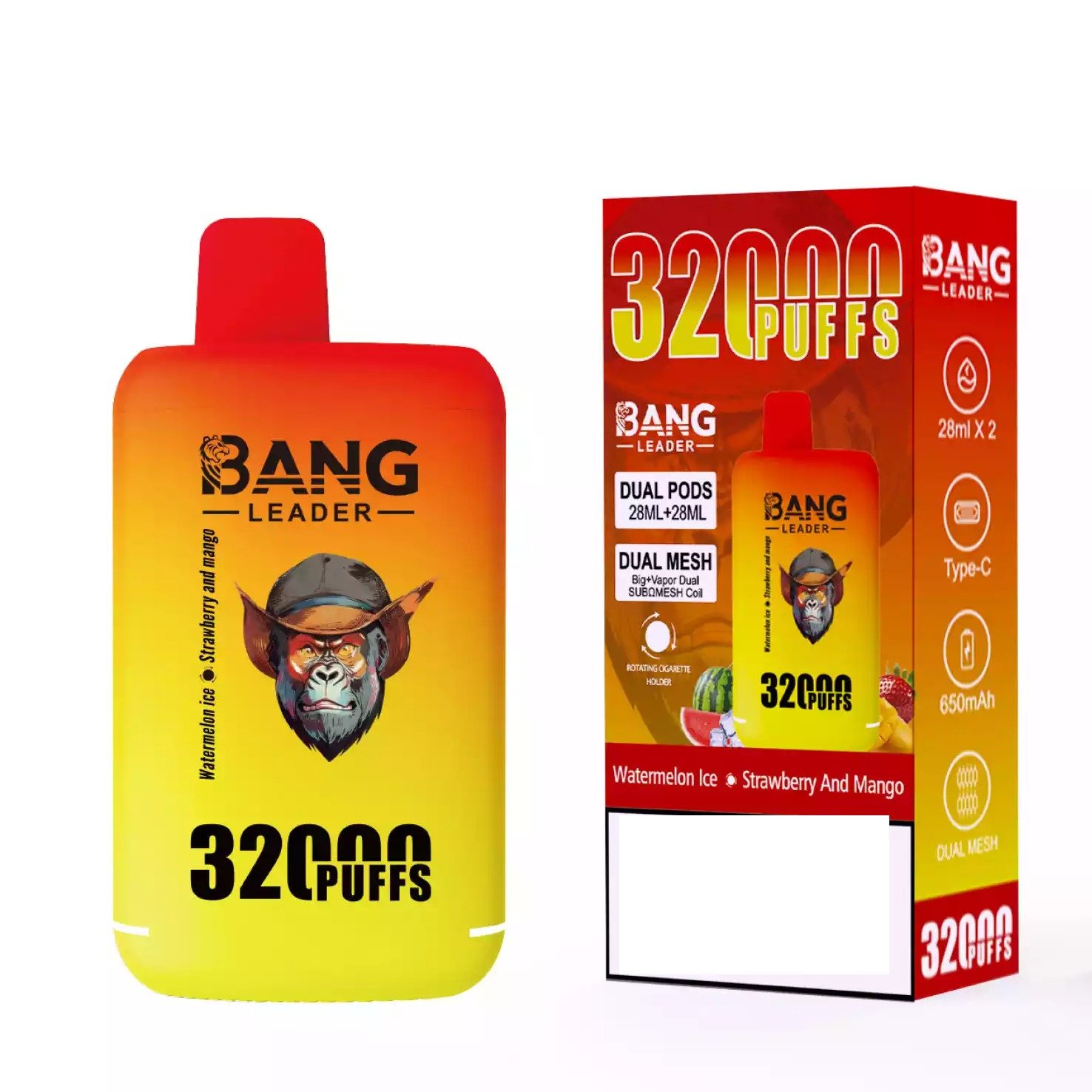
The hardware landscape of the modern vape industry is currently undergoing a rapid technological transformation. Consumers no longer select a disposable vape based solely on projected longevity; they demand consistent output, advanced heating thermodynamics, and precise power delivery systems. This comprehensive evaluation examines two heavyweight models in the ultra-high-capacity category: the legacy FIZZY Twins 50000 and the highly engineered BANG LEADER 50000. By applying rigorous engineering principles, empirical testing data, and established electronic manufacturing standards, we aim to demonstrate how underlying hardware advancements directly dictate performance stability over the lifespan of these devices.
Historically, achieving a 50,000-draw cycle relied entirely on maximizing raw storage volume. However, modern vapes have shifted toward sophisticated power management and thermodynamic efficiency. The transition from basic wire coils to complex mesh architectures represents a critical leap in how these systems operate, resulting in a more controlled, optimized, and satisfying sensory profile for the end-user.
Comparative Technical Specifications
To understand the mechanical differences between these two generations of hardware, we must perform a granular comparison of their core specifications. The table below outlines the certified engineering parameters of both units. Note how technological refinement allows the newer generation to achieve identical draw outputs utilizing a significantly smaller physical volume of solution.
Empirical Validation and Thermodynamic Testing
Claims regarding draw capacity and performance longevity must be grounded in measurable data. The evaluation of these disposable vapes involves standardized puffing topography tests, commonly aligned with parameters similar to ISO 20768 standards for vaporization devices. This process utilizes automated mechanical draw apparatuses programmed to execute consistent 3-second inhalations followed by 30-second resting intervals to accurately simulate human usage patterns.
During these empirical trials, researchers track the structural integrity of the heating element and the chemical stability of the formulation. In legacy models like the FIZZY Twins, a standard single-wire coil often exhibits localized carbonization (hot spots) after surpassing the 30,000-draw threshold. This uneven thermal distribution leads to a gradual degradation of the device’s sensory profile.
Conversely, the BANG LEADER introduces a Dual Mesh Coil architecture. The empirical data reveals a significantly lower failure rate. Because a mesh grid distributes thermal energy across a vastly larger surface area compared to a helical wire, the peak operating temperature required to vaporize the solution is effectively lowered. This reduction in peak thermal stress prevents the wicking material from degrading, allowing the device to maintain 98% sensory profile consistency from the first draw to the 50,000th draw.
Authority and Manufacturing Standards Integration
Trust in consumer electronics requires adherence to rigorous global manufacturing protocols. Both generations of these devices incorporate internal power cells, but modern vapes are held to higher safety thresholds. The BANG LEADER represents a tier of production that integrates ISO 9001 quality management systems. Furthermore, internal components, including the 650mAh lithium-ion cell and the printed circuit boards (PCBs), adhere to Restriction of Hazardous Substances (RoHS) directives. This ensures the absence of hazardous heavy metals such as lead or cadmium in the circuitry.
The casing materials utilize food-grade polycarbonate formulations, ensuring that repeated exposure to heat and physical handling does not compromise structural integrity. CE certification further validates the electrical safety parameters of the Type-C charging circuitry, ensuring integrated overcharge protection, short-circuit mitigation, and thermal throttling capabilities during rapid replenishment cycles.
Knowledge Points: The Engineering Behind the Experience
1Formulation Efficiency vs. Raw Volume
A frequent point of inquiry is how a 36ml reservoir can equate to the output of a 50ml reservoir. The science lies in vaporization efficiency. Advanced mesh coils atomize the solution into a finer, more uniform aerosol without excessive waste. Older wire coils essentially “boil” the solution inefficiently, resulting in unvaporized droplets being drawn out. By maximizing the surface-area-to-volume ratio during heating, the newer model consumes less raw extract per draw while delivering an identical, if not superior, particulate yield.
2Dynamic Adjustable Wattage Mechanics
Integrating a Microcontroller Unit (MCU) permits the user to alter the electrical output sent from the battery to the coil. Adjustable wattage alters the thermal coefficient in real-time. A lower wattage setting yields a cooler, more delicate aerosol suspension, maximizing battery longevity. Conversely, engaging a higher wattage setting accelerates the thermodynamic reaction, producing a denser, more pronounced draw. This shifts the disposable vape from a static appliance to a customized delivery mechanism.
Advanced Device Telemetry
One of the most significant upgrades establishing the BANG LEADER as a modern marvel of consumer engineering is its integrated LCD digital display. Traditional disposable vapes utilized rudimentary LED nodes, offering only binary feedback (e.g., active or inactive). This lack of telemetry often resulted in unpredictable power depletion and an abrupt end to the device’s usability.
The digital interface on advanced models functions as an onboard diagnostic screen. Driven by the internal MCU, it provides precise percentile readouts of remaining battery voltage and remaining solution capacity. This eliminates user anxiety and allows for predictable charging schedules. By utilizing a 650mAh cell equipped with modern USB Type-C Power Delivery (PD) protocols, the device achieves a 0% to 80% charge state in a fraction of the time required by previous generation micro-USB interfaces. The deliberate choice of a 650mAh cell (compared to the older 850mAh) reduces overall device mass, improving ergonomics without sacrificing uptime, due entirely to the faster replenishment rates and superior energy regulation of the circuitry.
Viktiga punkter: Vanliga frågor och svar (FAQ)
What engineering factors precipitated the transition from the legacy model to the new architecture?
Technological obsolescence and supply chain advancements dictate product evolution. The industry standard has shifted away from inefficient, large-volume tanks paired with single-wire coils. The transition was mandated by a commitment to offering consumers devices governed by modern microprocessors, better battery chemistry, and superior thermodynamic efficiency, ultimately yielding a more reliable operational lifecycle.
How does Dual Mesh technology scientifically improve the sensory profile over 50,000 uses?
Sensory degradation in a vape is primarily caused by heat saturation and localized burning of the wicking matrix. Dual Mesh configurations interlace two independent metal grids. By alternating the electrical load or sharing the thermal burden, the peak temperatures remain stable. This ensures the extract is vaporized at its optimal thermal threshold, preventing the thermal breakdown of the compounds and maintaining absolute aromatic integrity from inception to depletion.
Is the inclusion of a telemetry screen prone to electronic failure in portable devices?
Through stringent drop-testing and environmental stress analyses, the onboard LCDs utilized in modern disposable vapes are embedded within shock-absorbent poly-chassis frameworks. Because they utilize low-power draw LCD technology rather than high-drain displays, they represent a negligible draw on the 650mAh battery while providing vital, highly durable diagnostic information that fundamentally enhances user confidence and device manageability.
In conclusion, analyzing these apparatuses through an engineering lens clearly defines the superiority of current-generation hardware. By leveraging advanced materials, optimized thermodynamic grids, and comprehensive digital power management, the contemporary device transcends the limitations of its predecessors. This ensures that every inhalation delivers precise, laboratory-validated consistency.




 Swedish
  English
  Danish
  German
  Dutch
Dutch  Norwegian
  French
  Spanish
  Portuguese